13500 S. Figueroa Street, Los Angeles, CA – 45,000 Square Feet – Dead Warehouse

13500 S. Figueroa Street, Los Angeles, CA – 45,000 Square Feet – Dead Warehouse

For Lease

13500 S. Figueroa Street

Los Angeles, CA · 45,000 Square Feet

Dead Warehouse or Stock Pile Space


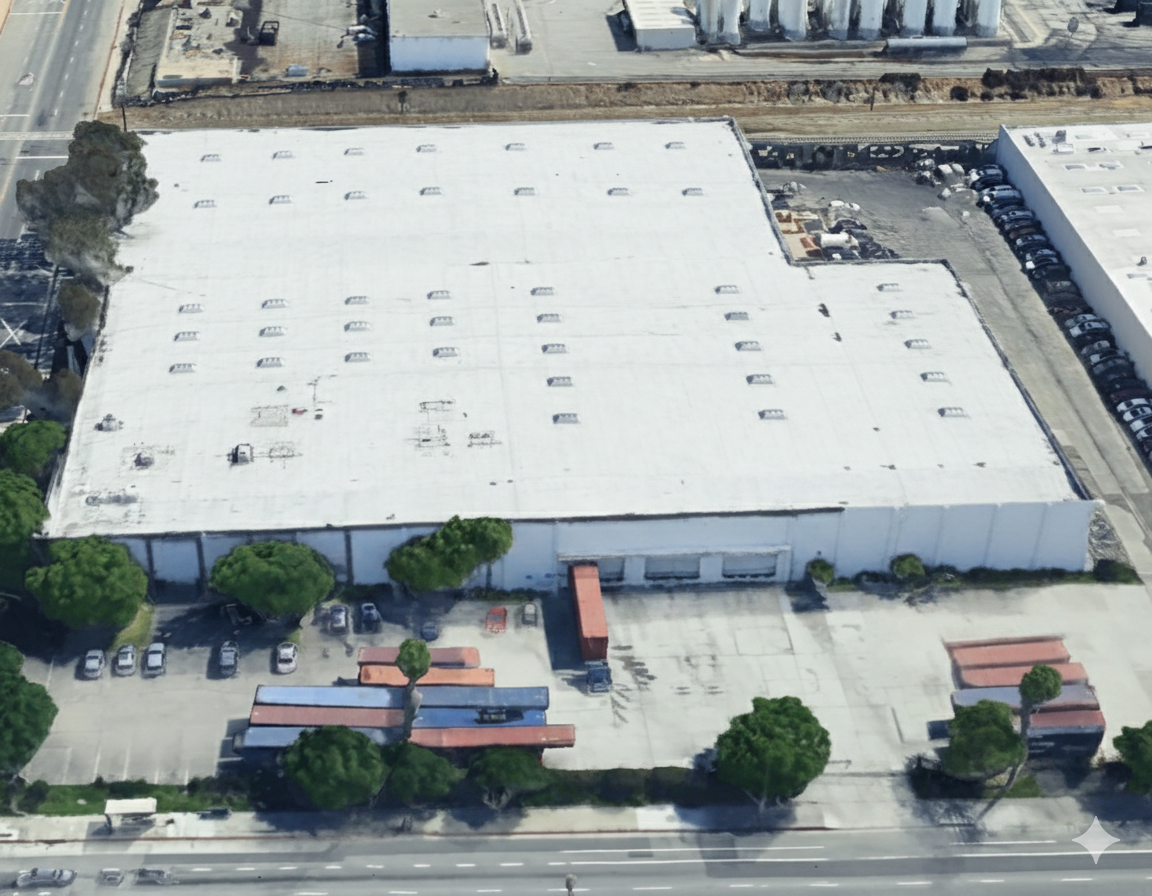
Listing flyer for 13500 S. Figueroa Street, Los Angeles: 45,000 square foot warehouse for lease
Click the image to view full size
45,000Square Feet
$0.65Gross / SF / Month
24′Clear Height
NowAvailable Immediately

Property Highlights

  • Dead warehouse or stockpile space
  • Flexible lease term
  • 24′ clear, sprinklered, shared bathrooms
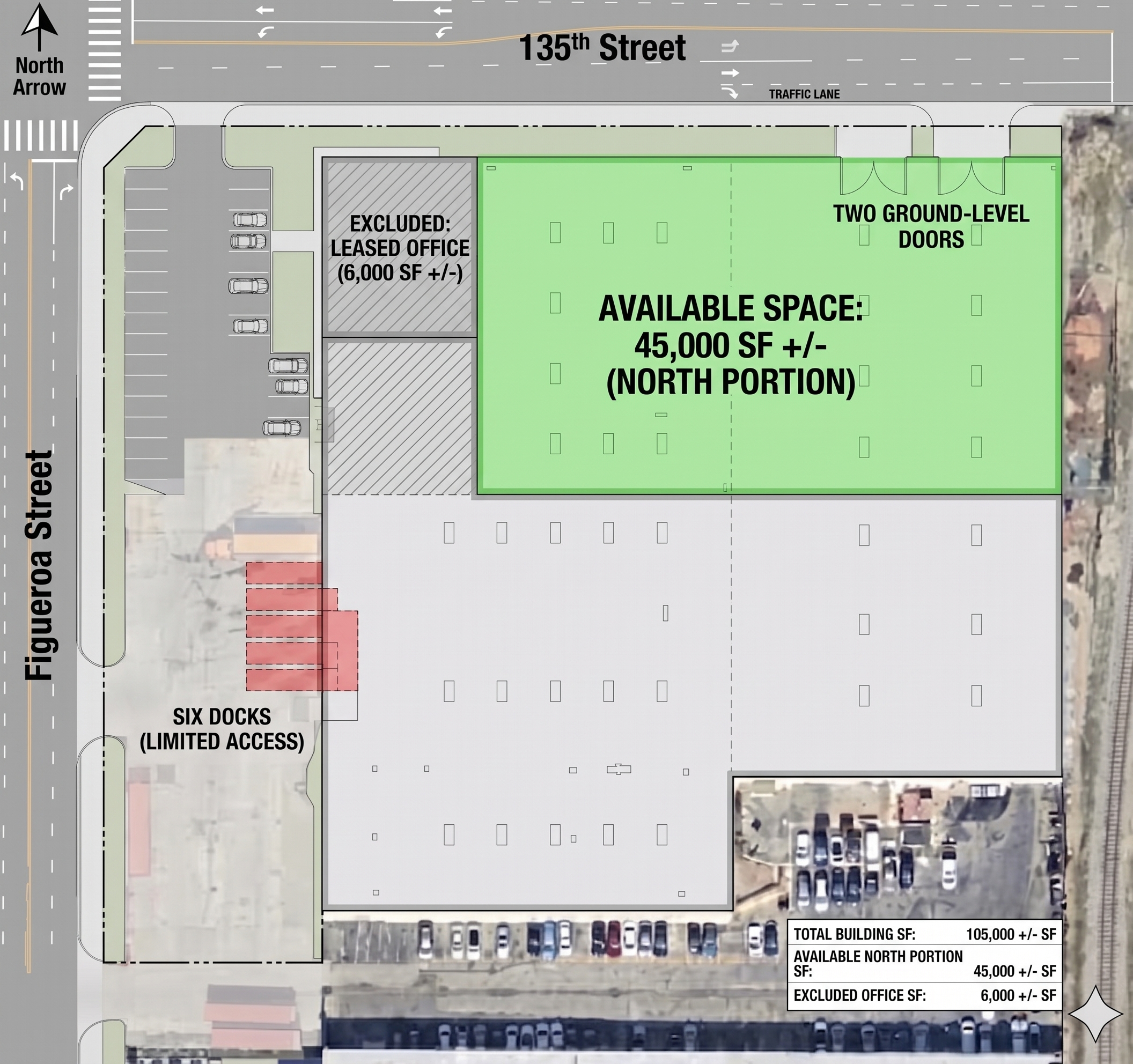
  • Exclusive use of 2 ground-level doors (22’x14’oversized); limited dock access
  • Substantial power available (up to 2,000 amps / 480V)
Site plan of 13500 S. Figueroa Street showing the 45,000 square foot available north portion
Site plan

Ideal Location

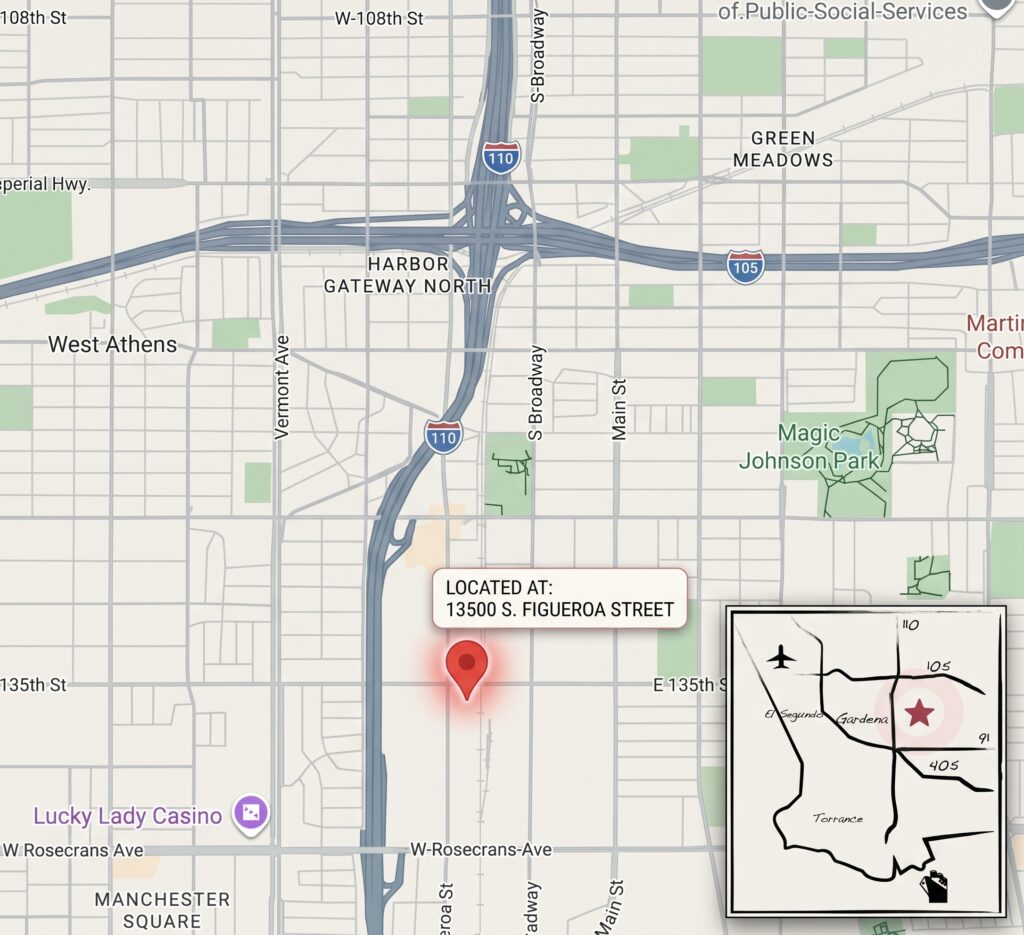
  • Near the 110 and 105 Freeway interchange
  • Close to LAX, the Harbor, and Downtown Los Angeles
Location map showing 13500 S. Figueroa Street near the 110 and 105 freeways
Location map

Please contact

Jim Klein, SIOR 310-451-8121

310-451-8121
jmklein@kleincom.com

Is This The Time to Find Deals

Is This The Time to Find Deals

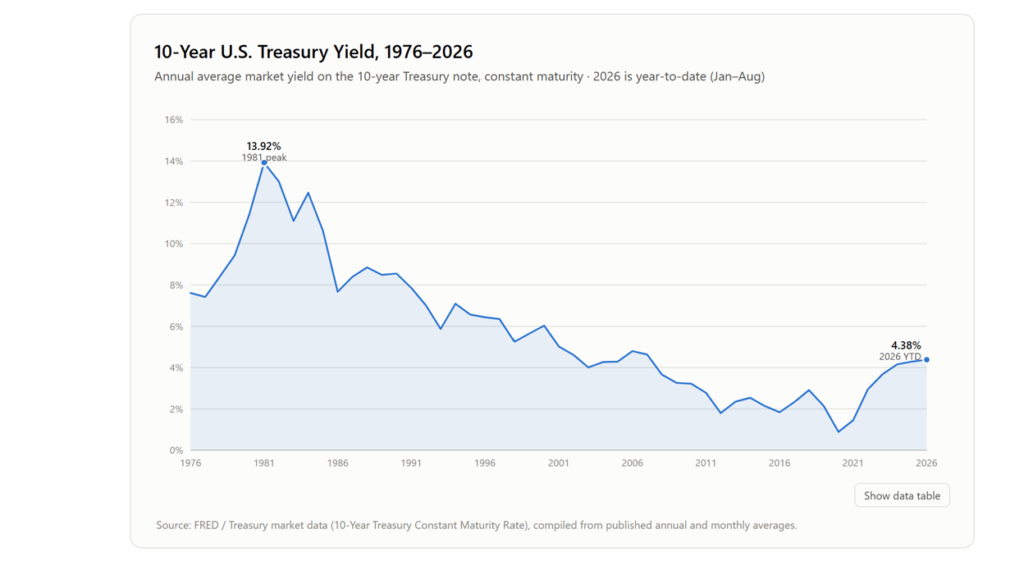
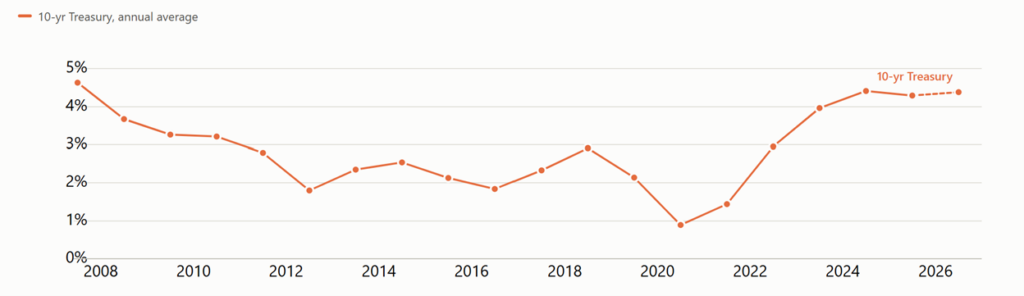
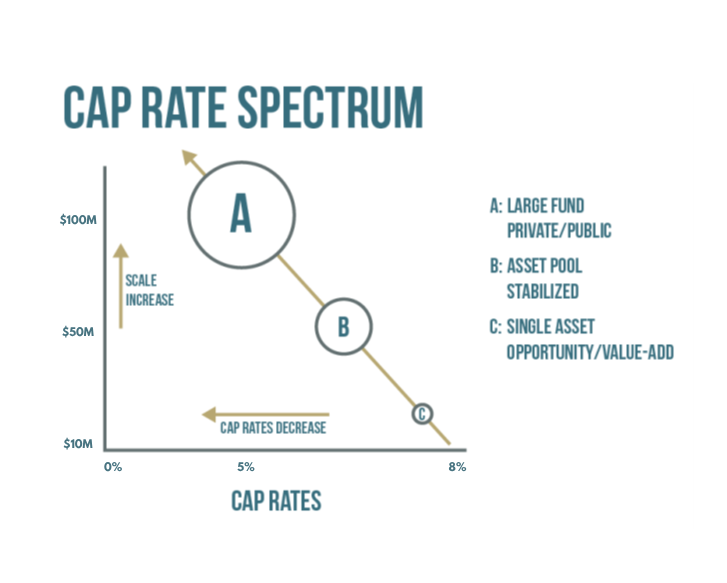
Is This The Time To Find Deals?Let us start with treasury bond rates because of the relevance to real estate investors.  Treasuries plus a spread determine loans and cap rates.  In1981, the year I started in the business, mortgage rates were as high as 18%, and I learned about creative financing. Since that time, rates have been in general decline to where homeowners could borrow under 3%.  Over that extended period, buyers and property owners received a continuous rise in property value partially due to the lower cost of finance. Interest rate declines accelerated during Covid to the lowest point in 40 years. This trend fully supported large investors and developers and took the market away from owner/users. Now with interest rates currently re-setting at higher levels, we are at an imbalance because it’s difficult to get satisfactory returns without significantly lower prices. In addition, timelier capital has shifted to other more promising investments, like the AI buildout.  A new phrase in real estate, Zombies, are properties that were purchased at the top and can no longer be rented profitably. Capital from the limited partners is tied up and expected redemptions are delayed.

While there is disruption, current interest rates are not abnormal. They are still historically reasonable. The background reasons for higher rates at this point of time could be explained as a reversion to the mean or it could be geopolitical. What is certain is higher rates are not welcome for those who purchased at the peak or are facing a re-finance. It is also true that buyers will be underwriting at today’s interest rates when they deploy new money and that will point to price reductions. Owner/Users, who generally purchase based on comparative occupancy cost and not rate of return, have many more good opportunities than when investors crowded out the market.

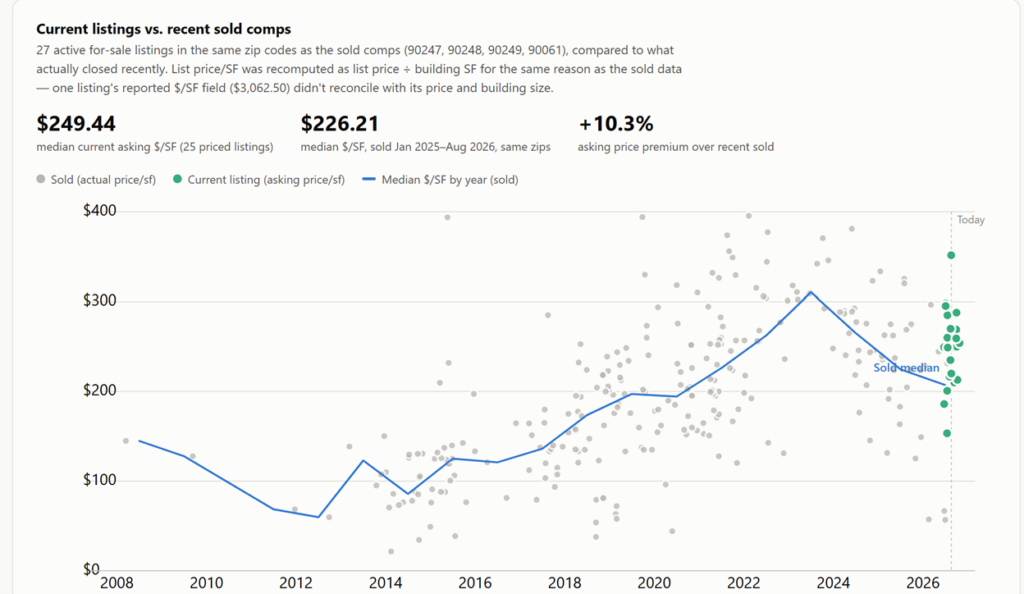
Yes, there are deals today. Sellers feel pricing pressure. Higher cap rates and financing costs, moderating rents, longer vacancy periods, refurbishment, property taxes and insurance premiums all need to be accounted for with any purchase. Currently, there is a standoff between buyers and sellers. Sale prices are declining while asking prices are 10% to 20% higher. Interest rates are key. If they stay steady or go higher, I expect to see softer pricing unless we get a boost in rents, and they are also currently in decline.

Prices Are Down From the Peak

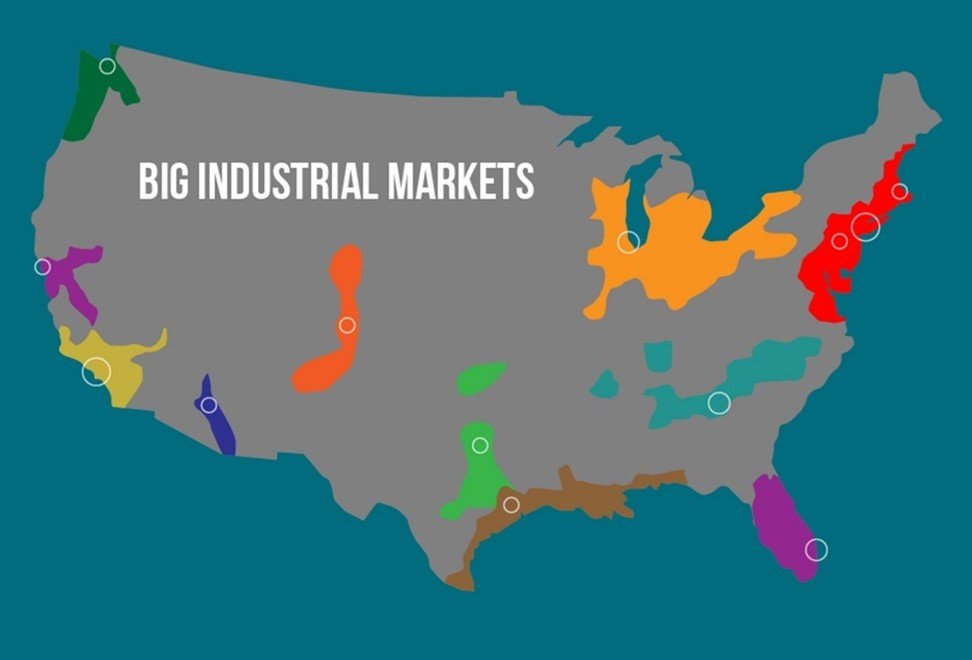
U.S. Industrial Clusters

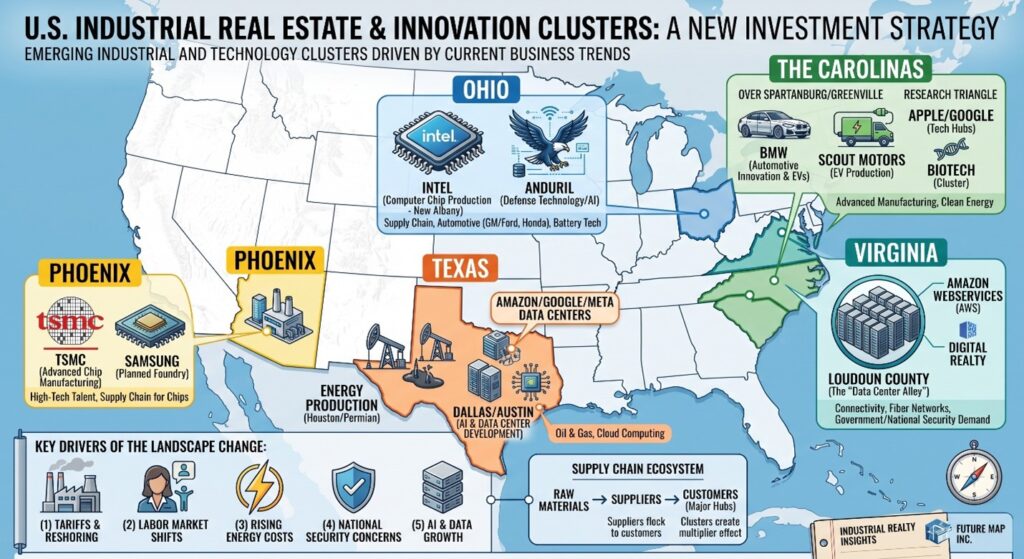
There has been a re-ordering of industrial geography. Gateway industrial markets like Chicago, New York, Dallas, and especially Los Angeles have been primary targets for large investors of industrial real estate. Gateway cities are where goods flow, businesses locate and house large consumer markets for warehouse and distribution facilities. New factors in the business economy have stimulated investment in other regions of the country. If you follow the public and private money, it is going to AI, aircraft, defense, drones, autonomous, materials, energy, pharma, and the industrial supply chains. Proximity to vendors, customers, and labor creates industrial clusters that become part of an industrial building investment theme. A style of investing is developing around industrial clusters. You can see large clusters in parts of Texas, the Carolinas, Phoenix, Virginia, and Ohio. Investment companies and developers are following the movement of these new industrial clusters.

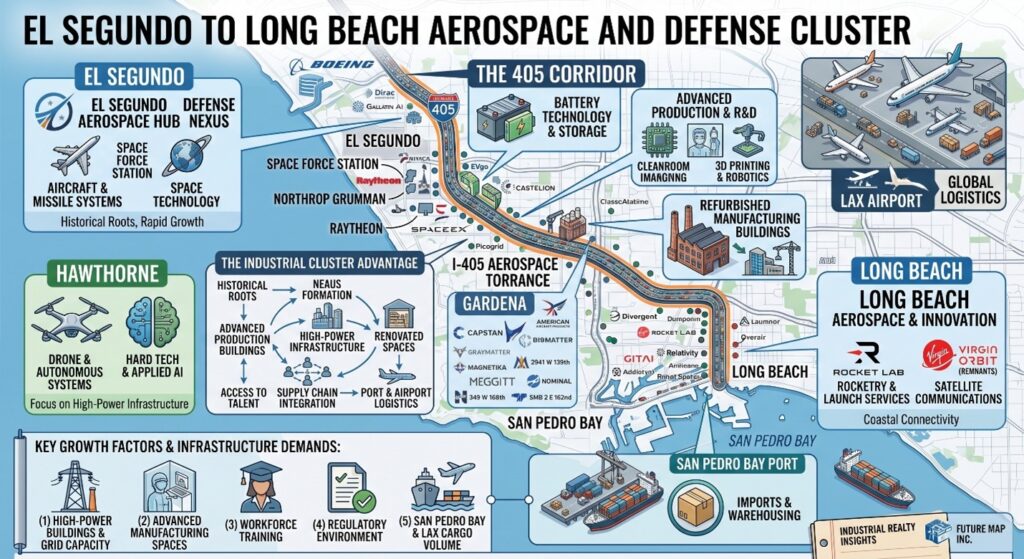
One significant cluster is close to home. Los Angeles the largest Gateway market because of San Pedro Bay. The ports create substantial bulk demand for warehouse and distribution building throughout Los Angeles County and The Inland Empire This can be considered a logistics cluster.  This same geography, the El Segundo to Long Beach corridor, has historically hosted an outsized aerospace, defense, and aircraft defense nexus. To serve growing Hard Tech companies, so-called Advanced Production buildings and refurbished manufacturing buildings, with power, are the current sweet spot. Bulk warehouse has become more commodified, whereas production facilities of the right type and location retain pricing power. Lucky for us we are at the center of both the Gateway and Hard Tech industries.

Gateway investors tend to be very conventional using standard underwriting principles and at least in Los Angeles, conservative proformas that are reflective of a commodity business. Supply and Demand, Marginal Pricing, Competition. Cluster investing is more opportunistic, has momentum because of immediate corporate capital infusions, and improves greatly with local knowledge of expanding companies. Where I am in Gardena, investing performance improves when you have multiple sources of demand, for instance gateway and clusters. Dallas, too, is a Gateway with a Data Center cluster. Savannah/Charleston, a port and significant manufacturing asset (aircraft and auto). New Jersey, a port and Pharma cluster. Purchasing in regions with Gateways and Clusters combined provides more ways to lease a building.

Mr. Warehouse

What are you doing with AI? That is the question I try to answer with my SIOR colleagues. Most have used AI for documentation preparation like offers, proposals, invoices, and lease negotiation. Some have created an underwriting platform for immediate valuations or use AI for research.  Not too many have gone all in with a complete recreation of their business, although that is where AI adoption is headed. AI creates an abundance of intelligence that no human can control except with more AI. Taking that next step of controlling AI and using agents, especially in connection with real estate deals, is where we get bogged down.

With the advice of a pioneer in our group, I put our AI persona under a more recognizably and searchable name and we choose Mr. Warehouse. Mr. Warehouse is an extension of our brokerage practice using the extensive data we generate and manage about gateways and clusters throughout the U.S. and beyond. It would be impossible if we did not have SIOR colleagues on the ground in every location and AI to make relationships. Our philosophy is to let AI lead, and we’ll be its human agent.

One area that we have researched and developed is location data.  Location data creates spatial relationships that are essential to producers, suppliers, distribution networks, and capital to create real estate value. Every property has longitude and latitude that AI can read make spatial relationships. We have found with the right spatial location and a personal relationship, it can be the the right environment to make a deal. Succinctly, Mr. Warehouse is using AI data and feeds, to make personal relationships, and create deals.

For immediate intelligence, on the ground knowledge is one area where humans still have an advantage. It is the reason our office is located on Gardena Boulevard to be close to our customers. We expanded our office to learn more about properties and clients in our core market, from LAX to the Harbor. We are fortunate to have the twin drivers of gateways and clusters in our market. Please refer to our Team Page and feel free to contact us any of us about industrial property.

Advice for New Brokers

Advice for New Brokers


When we were at the SIOR conference in Lisbon this past month, Puja and Julia asked me a question I needed to think about. What advice would you give an intern starting out? For Europeans, an important clarification is that the U.S. is a highly transactional market where I see Europe as being service focused. The advice I give you may not be accurate for your needs.

Find deals. The surest way to make a living in this business is deals. It’s not for everyone because there are disappointments. The stars of the business turn rejection into an opportunity.  Get a specialty. I’ve been lucky because I settled on Los Angeles industrial. Los Angeles is a vast area, with an historical basis of high fees. One small deal will exceed the annual median wage of most workers in the County (yes, there are splits). I’m doubly fortunate because my “farm area” is only a few miles from LAX, the Los Angeles Port Complex, and all the central warehouses. We call it the South Bay. It’s very dynamic with vibrant deal flow. I’m geo-based and if you go that direction, pick your location carefully.

The big money is earned by making the big deals. Big deals require strategy, intelligence, and relationships. One colleague of mine focused on large office buildings and every so often he would get a break and sell a high-rise or a campus. My big deals came from selling land to developers, buildings to investors, or a long-term tenant lease. If you can retain large clients who do multiple deals, you’ve hit the jackpot.

In terms of balance, you could say the South Bay pays my bills and big industrial deals build the wealth. I’m training a team to take over South Bay so I can focus on MrWarehouse.AI in my remaining years. Data management and hiring outside programmers is one area that sets me apart for a small firm. We have a large database and it’s been a tremendous source of leads.  For us, AI is an amazing opportunity. Make sure to nurture personal relationships.

Please stay in touch and hope this advice will help.

Market Intelligence Report Greater Los Angeles Industrial Real Estate

Market Intelligence Report Greater Los Angeles Industrial Real Estate

Market Intelligence Report

Greater Los Angeles
Industrial Real Estate

50,000 SF+ Lease Market · Current Conditions & Outlook

Q1 2026  ·  March 2026
Avg. Asking Rent
$1.43
▼ 31% from peak
Direct Vacancy
5.8%
▲ Decade high
Total Availability
9.4%
◆ Stabilizing
Sublease Inventory
8.9M SF
▼ Declining
Jan ’26 Inv. Sales
$356M
▲ #2 nationally
Market Conditions Statement — March 2026

The Greater Los Angeles large-format industrial market (50,000 SF+) is navigating a meaningful correction from its post-pandemic highs, yet structural fundamentals remain among the strongest of any major U.S. logistics market. Average asking rents have declined approximately 31% from their 2022–2023 peak, settling in a range of $0.99–$2.30/SF/month NNN across the market. Newer vintage product (2020+) commands the top of that range at roughly $2.30/SF, while older 1960s–1980s vintage stock trades between $0.85 and $1.60/SF.

Vacancy has risen to a decade-high of 5.8% direct, with total availability at 9.4%. Sublease offerings peaked above 17 million SF in mid-2025 before declining to approximately 8.9 million SF — an early but encouraging sign of rebalancing. Leasing velocity is slowly returning, particularly from logistics, e-commerce, and 3PL users seeking infill locations close to the ports.

The single greatest near-term headwind is U.S. trade and tariff policy uncertainty. The Ports of Los Angeles and Long Beach — entry point for roughly 40% of all U.S. containerized imports — saw cargo volumes fall 13–25% in mid-2025. Many tenants have adopted a “wait-and-see” posture on long-term lease commitments.

On the capital markets side, investor appetite for LA industrial assets remains resilient. January 2026 recorded $356 million in industrial investment sales — the second-most active market nationally. Dominant institutional owners including Rexford Industrial, Prologis, Bridge Point, PPF Industrial, and Watson Land Company continue to hold and selectively expand their footprints.

The near-term outlook is cautiously optimistic. If trade policy stabilizes and port volumes recover, the market is positioned for a gradual return to rent growth in infill submarkets by late 2026.

Asking Rent by Building Vintage
2020–2027 (New)
NNN
~$2.30
2000–2019
NNN
~$1.65
1990–1999
NNN
~$1.45
1980–1989
NNN
~$1.25
Pre-1980
NNN
~$0.99

Rate per SF/month. Source: Active listing dataset, Q1 2026.

Key Market Drivers
⚓
Port Activity & Trade Policy
LA/LB ports handle ~40% of U.S. imports. Tariff volatility suppressed cargo volumes 13–25% in 2025.
📦
Sublease Overhang Clearing
Sublease inventory fell from 17M+ SF peak to 8.9M SF — the market is gradually digesting excess space.
🏗
New Supply Slowing
Construction starts pulled back sharply, supporting a tighter supply outlook in 2027.
💼
Institutional Capital Active
$356M in investment sales in January 2026 signals long-term conviction remains strong.
Active Listing Submarket Snapshot
South Bay
$1.50–2.30
Vernon / Commerce
$0.90–2.65
City of Industry
$1.43–2.30
Santa Fe Springs
$1.25–2.30
Long Beach / Cerritos
$1.17–2.45
Carson / Compton
$0.95–2.05
Irwindale / Azusa
$1.25–2.31
El Segundo / LAX
$1.76–2.95

NNN asking rates per SF/month from active listing dataset.

Listing Composition & Key Themes
Dominant Lease Structures

68%
NNN

Triple Net (NNN)
~68%
Modified Gross (MG/IG)
~19%
Gross / Net / Other
~13%
Clear Height Profile
30–40 ft (Modern)
~52%
22–29 ft
~31%
Under 22 ft
~17%
⚡
12-Month Outlook
Cautiously Optimistic — Stabilization Expected in H2 2026
If U.S.–China trade negotiations advance and port cargo volumes recover, the LA industrial market is expected to reach a vacancy floor in mid-2026 and begin a gradual rent recovery in high-demand infill corridors. Modern logistics product near the 710 freeway and LAX should lead the recovery. New construction pipeline restraint will tighten available supply by 2027, supporting a more sustained recovery.
Greater Los Angeles Industrial Market  ·  Active Listing Dataset + Public Market Research  ·  Q1 2026
Sources: NAI Capital · Voit Real Estate · CommercialCafe · CBRE · Avison Young · Commercial Observer
From Vibe Coding to Deal Intelligence: How One LA Broker is Quietly Building a Tech Edge
From Vibe Coding to Deal Intelligence: How One LA Broker is Quietly Building a Tech Edge

From Vibe Coding to Deal Intelligence: How One LA Broker is Quietly Building a Tech Edge

The barrier between “having an idea” and “having a working tool” has essentially collapsed. Most commercial real estate brokers haven’t noticed yet. Jim Klein has.

Klein, an industrial real estate specialist in the Los Angeles market and a seasoned SIOR member, has spent the past stretch of time doing something most brokers his caliber rarely do: building his own technology stack. Not by hiring developers. Not by purchasing enterprise PropTech subscriptions. By sitting down with AI tools and describing, in plain English, exactly what he needs and watching functional software materialize in response.

It’s a practice gaining traction in tech circles under the name vibe coding, and it may be one of the most underappreciated skill sets a commercial broker can develop right now.

The Broker-Builder

There’s a new archetype emerging in commercial real estate. Not a technologist. Not a software entrepreneur. Just a seasoned practitioner who got curious, leaned in, and discovered that building useful tools no longer requires knowing how to code.

Vibe coding works exactly the way it sounds. You describe what you want to an AI. The AI writes the code. You refine it through conversation. You deploy it. The “coding language,” as Jim puts it, is basic English and that’s precisely what makes it accessible to anyone willing to try.

He offers one honest caveat worth passing along: having someone with a programming background nearby during those early sessions helps clear the initial hurdles. The fundamentals of how scripts connect to platforms and APIs aren’t always intuitive the first time. But once you’re past that threshold, the playing field levels quickly and the possibilities expand fast.

Two Platforms, Two Distinct Superpowers

What makes Jim’s approach particularly instructive isn’t just that he’s using AI. It’s how deliberately he’s matched the right tool to the right job. He’s built a two-platform intelligence system, each one purpose-designed for a different dimension of his business.

Gemini: The Market Radar

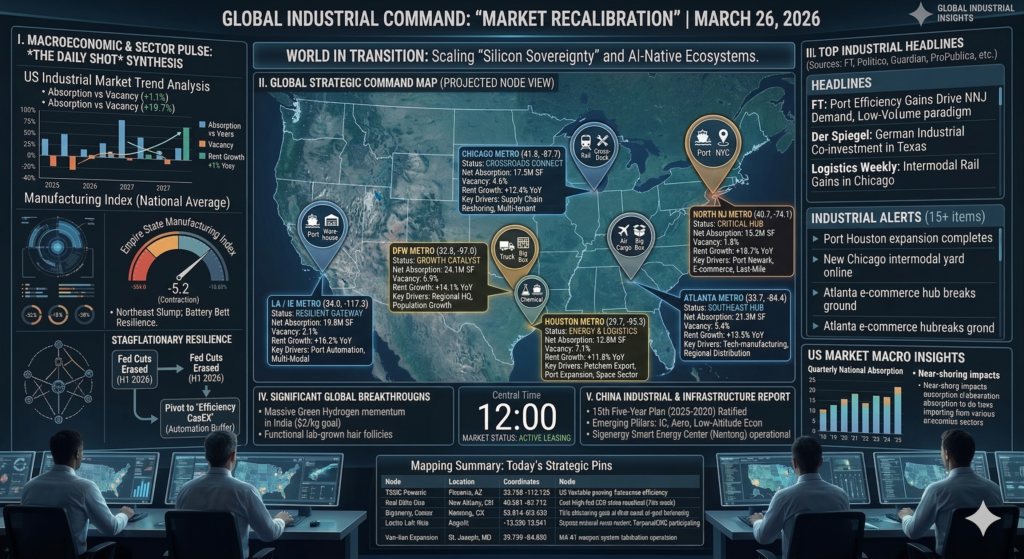
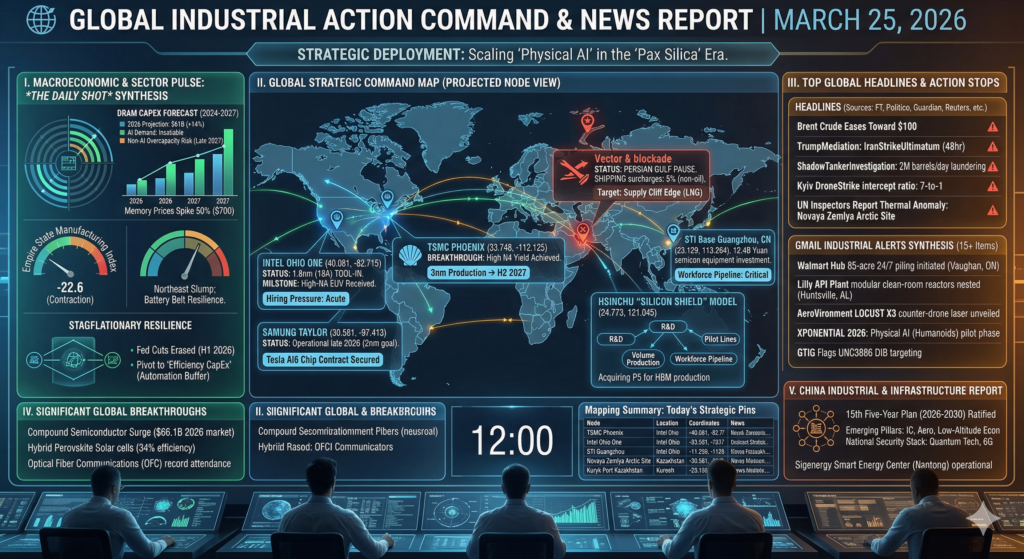
Jim has configured Google’s Gemini as a live intelligence feed for the industrial sector. Every day, it pulls news from sources around the globe, publications and Google Alerts he’s personally curated, and filters everything through a custom keyword ranking system. Words like expansion, growth, layoffs, WARN notice, and default trigger prioritization, automatically surfacing the stories most likely to signal a leasing event, a distress opportunity, or a tenant in motion before the broader market catches on.

What elevates this beyond a standard news aggregator is the Google Maps API integration. Every story arrives with precise location data attached. A logistics company announcing expansion in the Inland Empire isn’t just a headline. It’s a pin on a map, a radius search waiting to happen, a prospecting call that can be made before a competitor has even seen the news.

The infrastructure behind all of this? Google Workspace. Gmail. Sheets. Calendar. Docs. Tools every broker already has open on their desktop every day. What Jim discovered, and what most brokers haven’t yet, is that every one of these tools has script extensions that can be unlocked through AI-generated code. You describe what you want. The AI writes the script. When something breaks, it debugs itself.

The entire workflow is built on tools you already pay for. The only new ingredient is knowing to ask.

Claude: The Market Intelligence Engine

The second platform in Jim’s stack is Anthropic’s Claude, and here the application shifts from market surveillance to deep market knowledge.

Jim has loaded Claude with Los Angeles parcel data and market comparables, effectively transforming it into a conversational database that would have required a dedicated GIS analyst to replicate just a few years ago. From anywhere, including the field, he can ask:

  • “Who are the closest building owners within 1,000 feet of this address?”
  • “How does our listing compare to everything available within a one-mile radius?”
  • “Who owns 123 Main Street?”

Answers come back in seconds, often with maps generated on the fly. And this is just the beginning. CRM data integration is next on Jim’s roadmap, meaning contact history, deal activity, and relationship context will soon layer directly on top of the parcel and market intelligence already in place.

This is what a true deal intelligence platform looks like when it’s built by someone who actually understands their market, not by a software company making educated guesses about what brokers need.
The Question Every Broker Should Be Asking

Jim frames the real challenge with characteristic directness:

“How are you making more deals with AI?”

Not “Are you using AI?” By now, almost everyone can check that box in some form. The sharper question is whether AI is actually changing your deal count, your deal quality, or your competitive position. That requires a different level of intentionality than having a ChatGPT account you open occasionally.

Jim’s framework offers a useful benchmark. His AI stack is:

  • Proactive, not reactive. It surfaces opportunities before he goes looking for them.
  • Location-aware. Every piece of intelligence is anchored to geography.
  • Integrated. Tools communicate across platforms he already uses daily.
  • Field-ready. It works when he’s standing in front of a building, not just when he’s back at his desk.

That’s not a technology experiment. That’s a competitive infrastructure.

The Window Is Open, But Not Forever

The early adoption advantage in AI-powered brokerage workflows is available right now. But windows like this don’t stay open indefinitely. The brokers who will look back on this moment as a turning point are the ones treating AI not as a novelty, but as infrastructure to build on. Quietly. Deliberately. Deal by deal.

Jim Klein’s example makes one thing clear: you don’t have to wait for a PropTech company to package this into a product. You don’t need to hire a developer. You need curiosity, a willingness to experiment, and maybe one person nearby who’s been around code before.

The rest, it turns out, you can figure out in plain English.

Jim Klein, SIOR, is a commercial real estate broker specializing in the industrial market in Los Angeles. His work in AI-integrated market intelligence reflects a growing movement among top practitioners applying practical technology to generate measurable business results.

 

Introducing Mr. Warehouse

Introducing Mr. Warehouse

THE NEW ALIGNMENT: INDUSTRIAL REAL ESTATE IN 2026

A Three-Part Series introducing Mr. Warehouse.

PART 1: Global Logic, Local Intelligence, and the AI Edge

In my early days in the industrial real estate business, information was physical. Listings were delivered in three-hole-punched books, an inch thick, and we were “farm brokers” tethered to small, tightly drawn sub-markets in Los Angeles. If you stepped out of your boundary, you had to bring in a partner who worked that different turf. It was an era of high friction, but it birthed the deep local specialization and clients that stayed with me for decades.

Today, we are in a New Alignment. Two massive shifts are happening simultaneously: a geopolitical fracturing where U.S. bloc industries are “friend-shoring” away from traditional offshore centers, and a technological revolution where AI is partnering with humans to lead us to new directions. A major underpinning of the business, the agency relationship, will diminish as a transaction mindset takes hold. We are facing a reconfiguration of the industrial real estate business.

AI: The Lens for a Fractured World

The New Alignment allows us to have a global view that was previously impossible for a local broker. By mapping industrial infrastructure and supply chains within and across borders, we can see the “fracture” in real-time. Through our domestic and international network of SIOR brokers, we aren’t only looking at filling vacancies; we are examining how a specific property fits into a resilient global network. AI allows us to move beyond the “farm” mentality and into a high-level global network.

The Paradox: Better Global Tools, Better Local Intelligence

A side effect of this shift is that global tools and perspectives make us more aware of the local level. Even as we monitor global trade and production, these same techniques provide a sharper, more granular understanding of our home market. At Mr. Warehouse, we update our location mapping and pricing graphs for the Greater Los Angeles area monthly and offer these analytics to our partners in other markets. It’s a vast improvement from the days of weekly listing books.

AI opens new industrial real markets to explore. And by using what we learned locally, we can partner with our global colleagues to achieve what we couldn’t do alone.


PART 2: Industrial Infrastructure for the New Alignment

In the “farm broker” days, our data was fixed in a physical book. Today, our data lives with tools that capture intelligence. In the New Alignment, we don’t look only for real estate – although through that is the primary means we are compensated; we look for meaning in infrastructure, supply chain, humanity and how that fits into a model of production and distribution. We measure a central principle in the real estate business – location, location, location – and its impact on finance, operations, and the intangible.

Mr. Warehouse adopts three layers of data. These tools allow us to map out the market with precision, helping occupiers and investors find the “nodes” that will thrive in a fractured economy.

Layer 1: The Infrastructure Map (Drupal & Parcel Data)

We use the Drupal Geofield module as a simple way to store and map industrial infrastructure location data. The map visualizes location and geographical relationships. By feeding high-resolution parcel-level, ownership and location into the map, we create a transaction platform not only around availabilities, but proximities.

Layer 2: The Logic of Localization (Streamlit & Analytics)

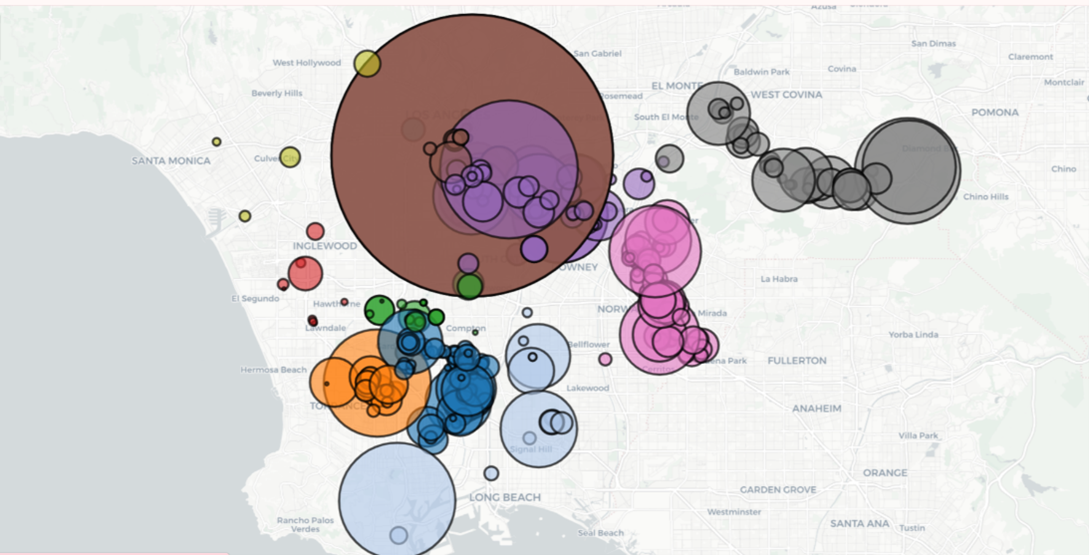
Once we create the physical map, we apply a layer of logic using Streamlit, an analysis software that uses a property database to calculate physical and value relationships for the purpose of making transactions. We turn raw data into meaning. For instance, our Los Angeles industrial data will show the closest and most optimum properties to move. For an occupier, this layer shows if a given site will optimize their supply chain or if they need to replicate their business, or a part of it, in a more efficient manner or hub.

Layer 3: The Organic Network (The Social Layer)

The most powerful data structure we have isn’t digital—it’s human. After 45 years in the business, with most of those years as an SIOR and attending over 65 conferences, our network of relationships is a living social map domestically and internationally. We use modern social networks and our Global SIOR partners to enhance our technology. It’s a privilege for me to work with the best in the business. This layer turns “data points” into “handshakes.”


PART 3: Proven Strategies, Intelligent Tools

In the industrial real estate business, the fundamentals haven’t changed in nearly half a century. Location is primary. Occupiers will always want to improve their business. Investors want a reasonable financial reward for taking on real estate risk. What is changing is how humans use machines and how artificial intelligence can serve, not as a tool, but a guide.

The Shift Toward Transactional Excellence

As we embrace the New Alignment, the nature of the relationship between broker and client is evolving. While State Real Estate Licensing Law emphasizes traditional agency relationships in their education and discipline, the reality for sophisticated corporations and institutional buyers is they want a transactional relationship. Clients want high-level intelligence, execution and data-informed results over traditional handholding. We always operate within agency law and focus on transactional success with the speed and precision.

The Human Partner in a Digital World

We are utilizing a sophisticated web-and-data stack to achieve these results:

  • AI for Industrial Infrastructure and Supply Chain: We use AI to see the global “fracture” as it happens, predicting where the next major industrial nodes will grow.
  • Parcel Mapping for Relationships: We use deep parcel data to build and maintain personal connections with owners and stakeholders.
  • Global SIOR Collaboration: We collaborate on a personal and regular basis with SIOR colleagues located across the U.S. and the globe.

Conclusion: Understanding the New Alignment.

We use technology to understand location and network relationships under the New Alignment. While global in scope, the local becomes more informed. AI and Fragmentation will lead many of our client to succeed and we want to support them using new technologies and fundamental real estate principles. The New Alignment is a period of opportunity.


Four Types of Industrial Real Estate Decisions

Four Types of Industrial Real Estate Decisions

Four Types of Industrial Real Estate Decisions


For decades, the U.S. industrial real estate landscape was largely shaped by the flow of consumer goods. e-commerce, brick-and-mortar supply chains, and manufacturer distribution networks. This model is not going away and will be enhanced by more e-commerce. However, a profound shift is now underway. New trade dynamics, tax incentives; and support for AI and Data Centers will re-orient location and capital decisions.  There is a new emphasis on factors crucial for enhanced industrial production. This evolution leads to richer set of criteria for assessing location value with an emphasis on network dynamics, supply chain and underlying AI infrastructure.

For companies that are facing real estate decisions, we found the following framework helps you determine the type of move you are most likely to take.  The first three type of decisions are accepted as standard procedures in corporate real estate circles. Infrastructure demands, particularly power, connectivity, and location have grown to being singly important.

  1. Incrementalism
  2. Standardization
  3. Value-based
  4. Infrastructure Dependent


1. Incremental Growth: Remaining close to core operations and seeking nearby buildings to facilitates organic expansion or infill needs. This strategy prioritizes maintaining local expertise and established networks. Incremental growth is the most common way to expand. Value is based on proximity.

2. Standardization: Particularly relevant for companies taking multiple facilities to support regional markets or industries. This approach emphasizes consistent specifications and operational efficiency across a distributed network.Common examples are consumer products, industrial supply, and data centers.


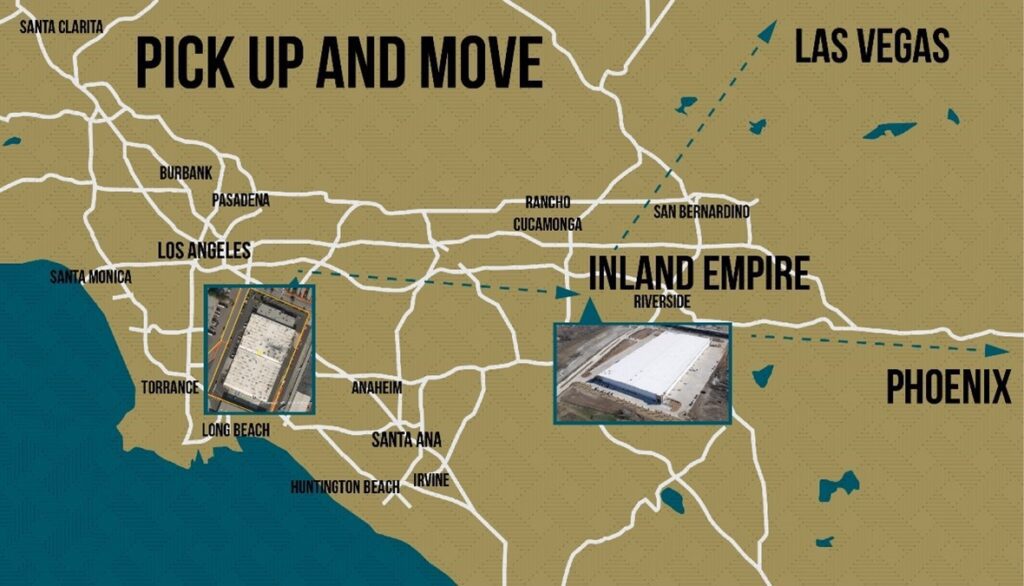
3. Value-Based: Driven by new strategic directions or significant restructuring, this often involves a “Pick Up and Move” to a fundamentally different area, chosen for its long-term alignment with core values and future growth. This frequently occurs when companies leave California for lower costs, fewer regulations or improved synergies with suppliers and customers


4. Infrastructure Dependent: The largest expenditure of industrial development is data centers. Hyperscalers are dependent on huge amounts of power and connectivity on relatively large parcels of heavy industrial land, almost anywhere. Edge data centers are smaller and located in urban centers to serve autonomous vehicles, consumer, shopping, delivery and nearby industrial and commercial facilities.

 To support our clients, we developed these strategies over 45 years. We have custom analytics, self-developed maps and personal relationships across North America and Europe.  Our diagnostics pinpoint the buildings that are right for you. Please contact us with your questions and comments.

Thank you for Subscribing.


South Bay (L.A.) Industrial Buildings

South Bay (L.A.) Industrial Buildings

South Bay (L.A.) Industrial Building

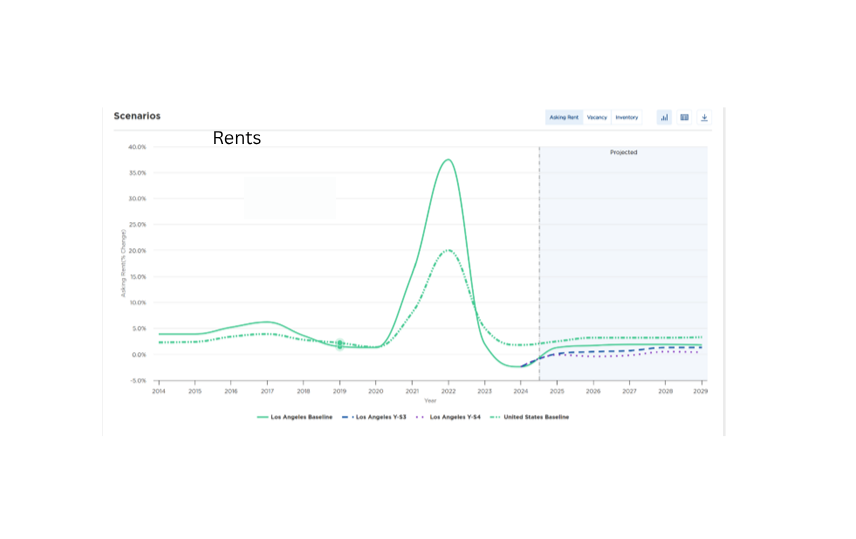
Industrial rents have stayed relatively flat except for a spike during the Covid years. Currently, another adjustment is underway due to a reduction of Chinese goods coming through the L.A./L.B. Ports. The Los Angeles region is a gargantuan warehouse market linked closely and dependent on international trade.

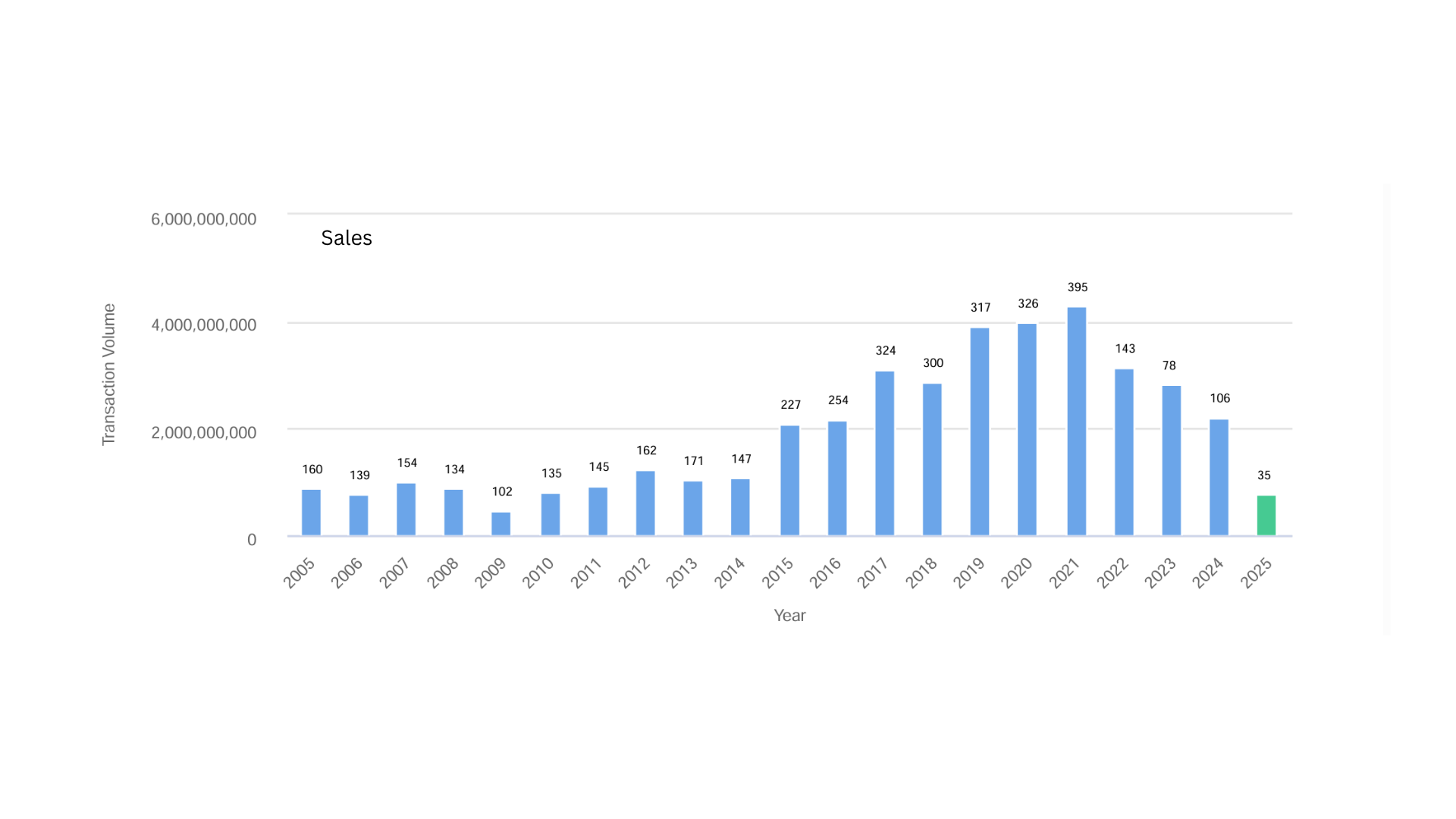
The number of sales have fallen to 1/5th of the 2021 peak due to higher interest rates and the inability of investors to use leverage.Occupiers and “tenants-in-tow” have the best opportunity because competition is muted.

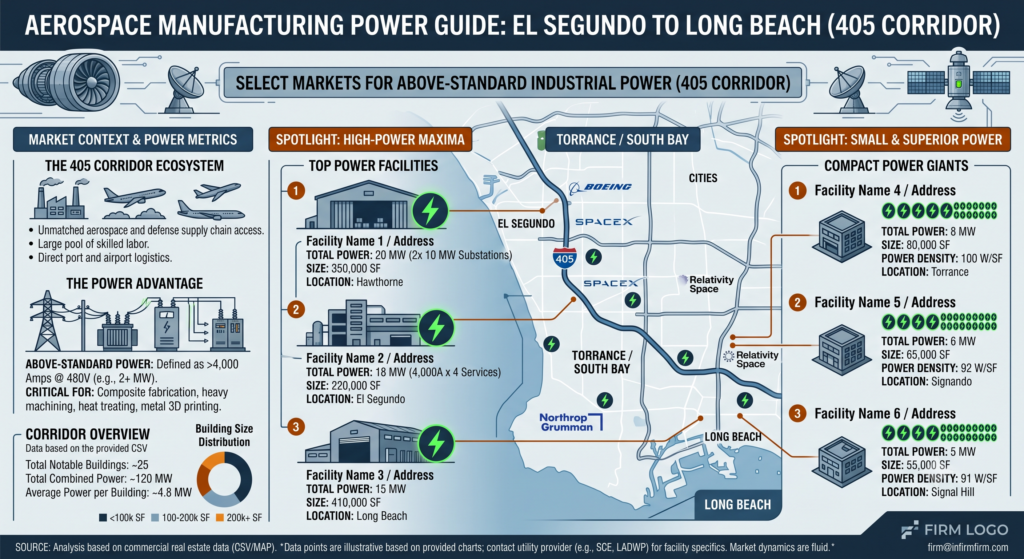
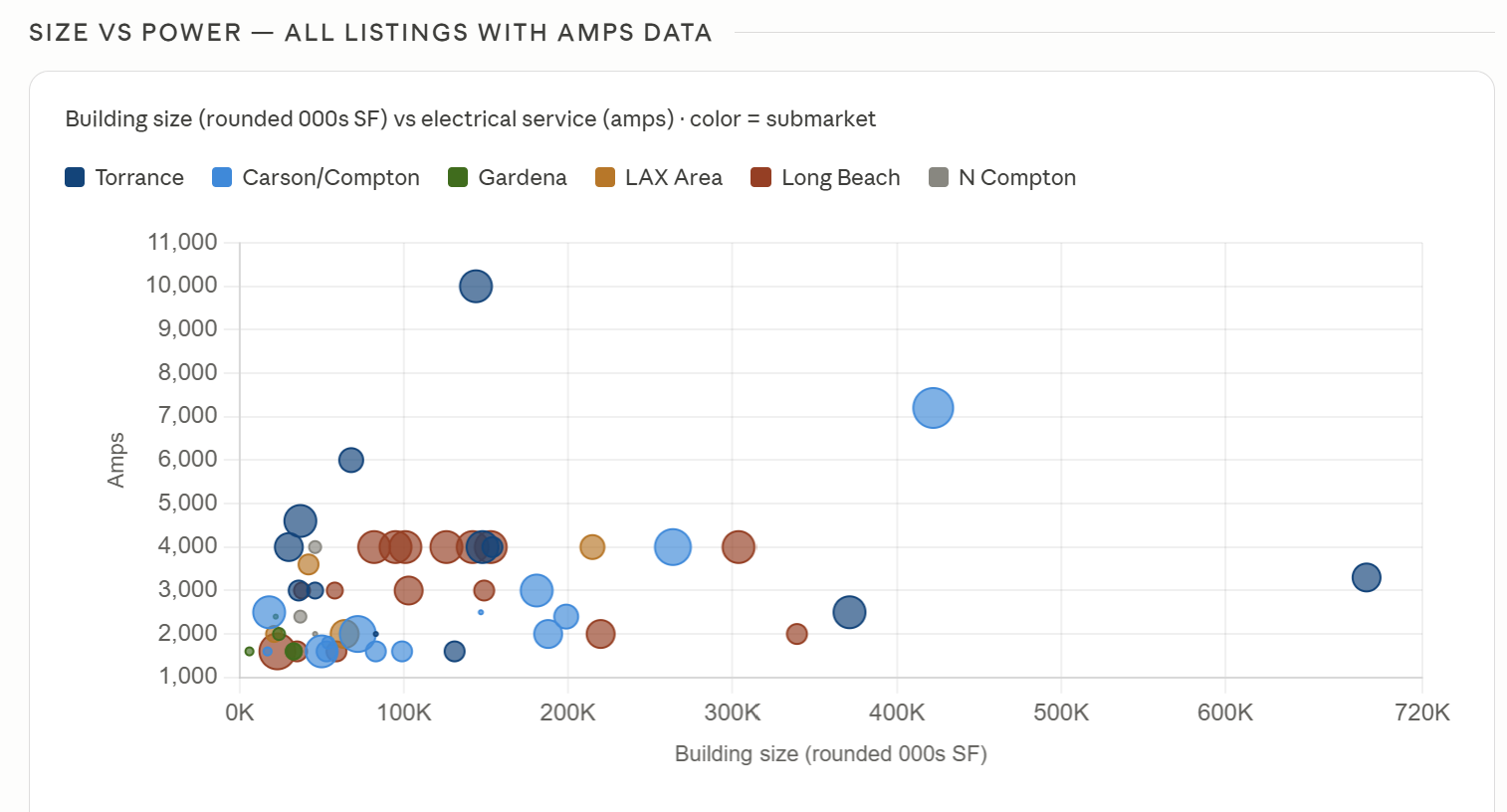
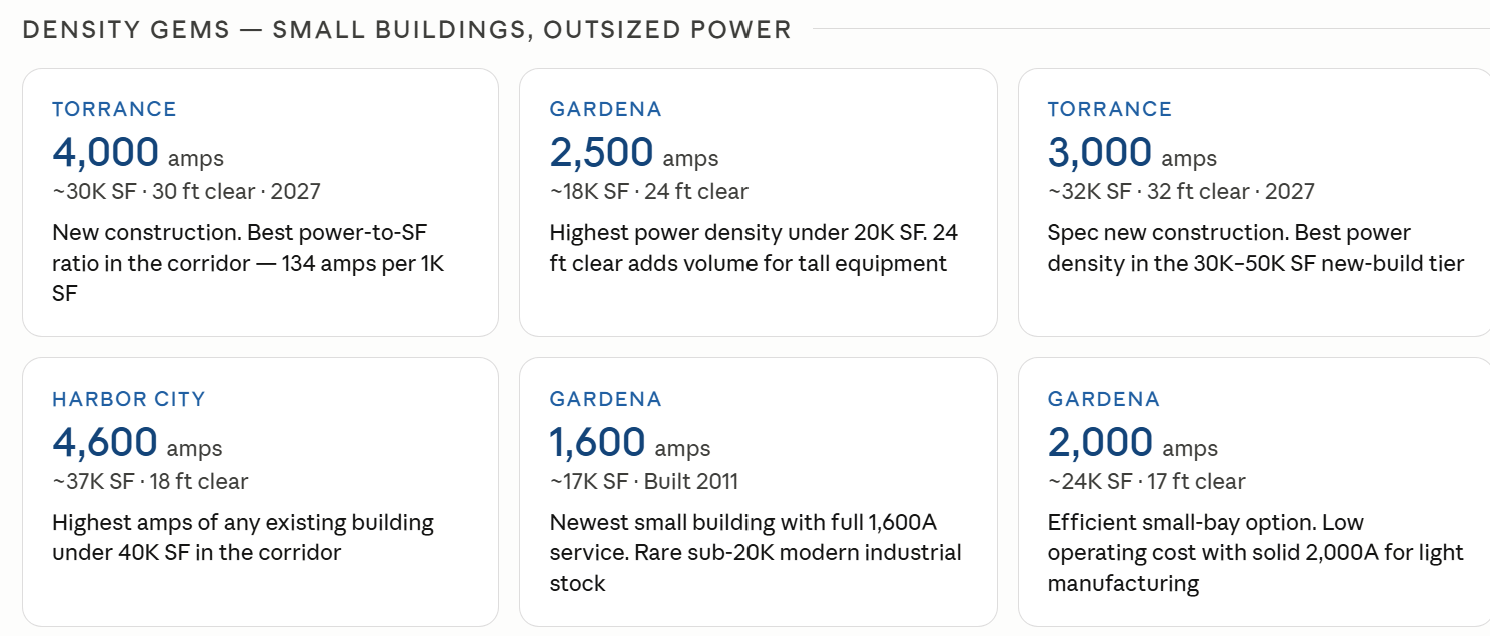
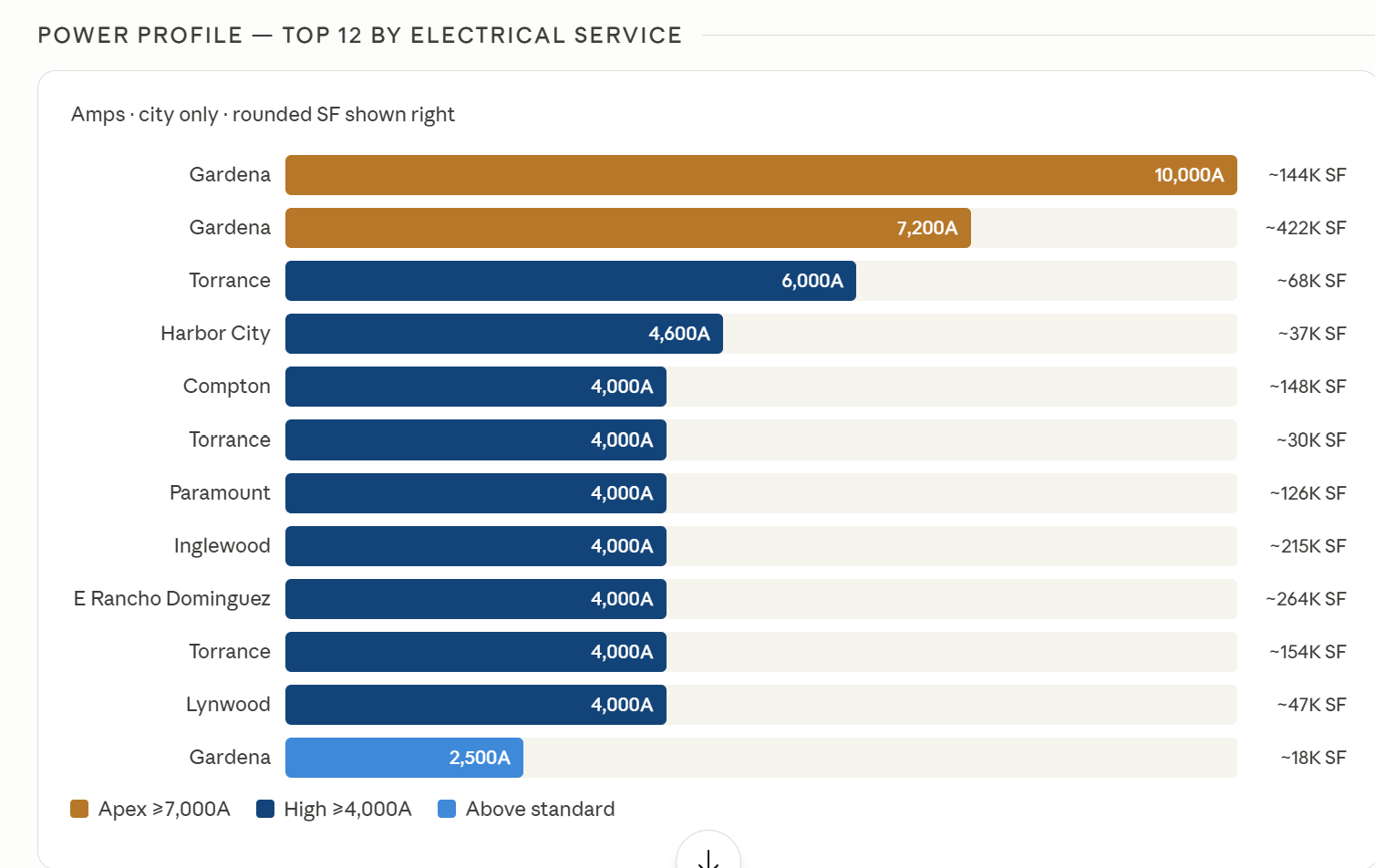
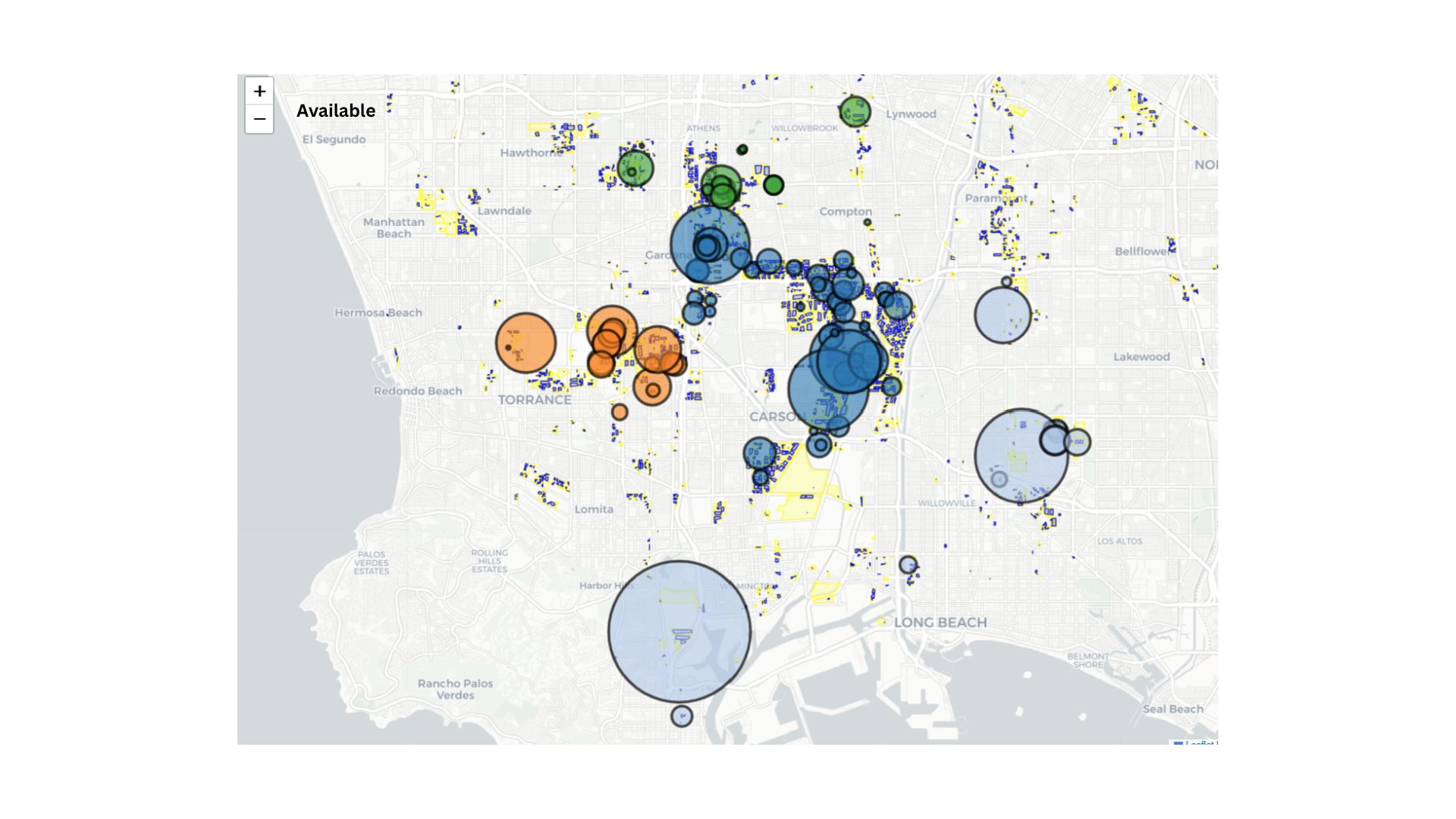
Space availability is increasing because of weak demand. International trade is reduced. One segment that is under-supplied is Hard Tech.Buildings require power, offices, security clearances, parking, cleanliness, and a location along the 405 Corridor. Timing is right to re-position buildings in this corridor.

Industrial Clusters

Cluster strategy is used by occupiers to be near skilled employees, vendors, and synergies. El Segundo, the 405 corridor and neighboring cities
is an example of a tech hub led by aerospace and defense. The real estate opportunity is to re-purpose buildings in this area for growing HardTech and Advanced Manufacturing tenants.